






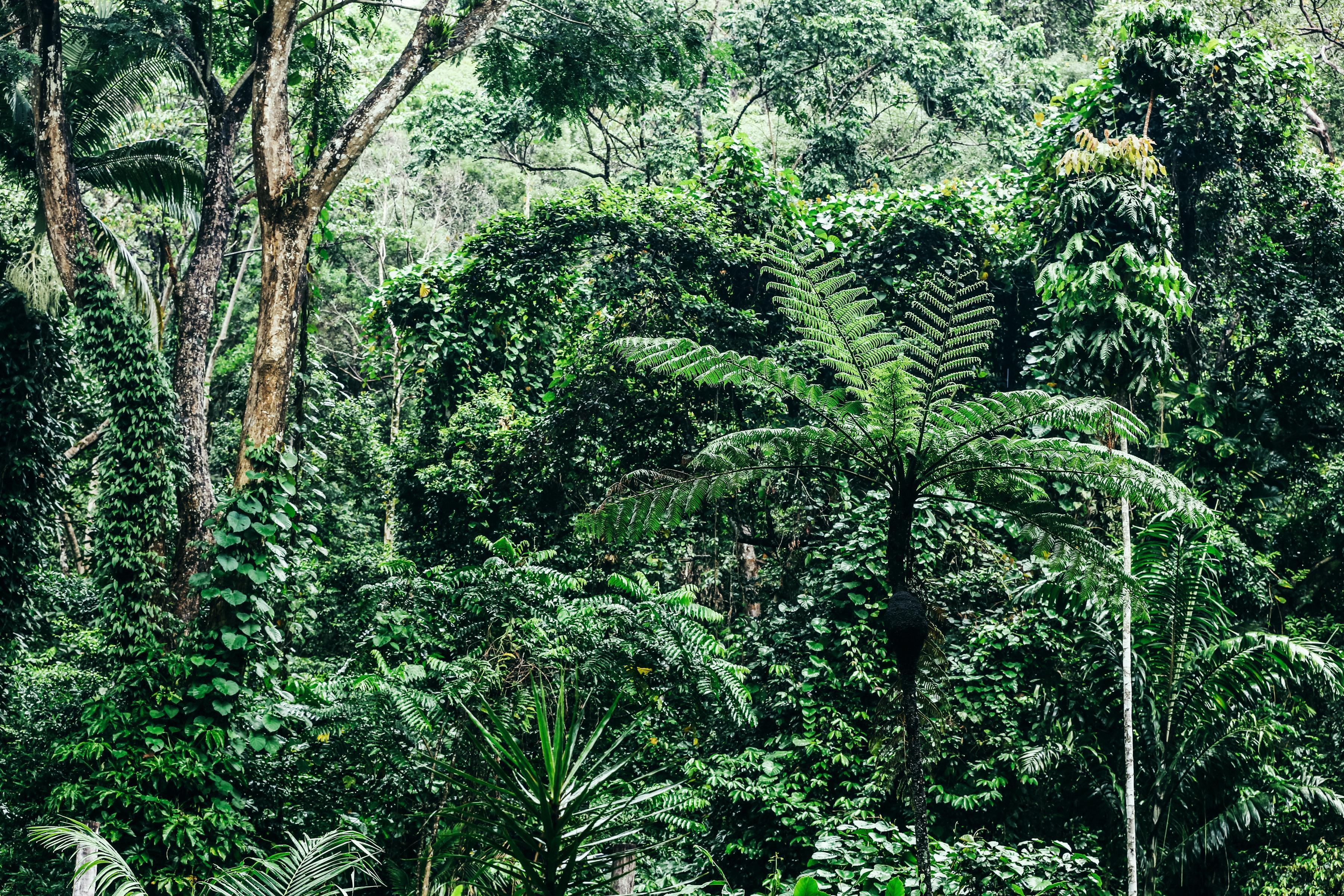
The Daintree Rainforest provides the perfect balance of relaxation, adventure and cultural experiences. With so many unique ways to explore the beauty of the Daintree region, there is never a dull moment in this ancient part of the world.
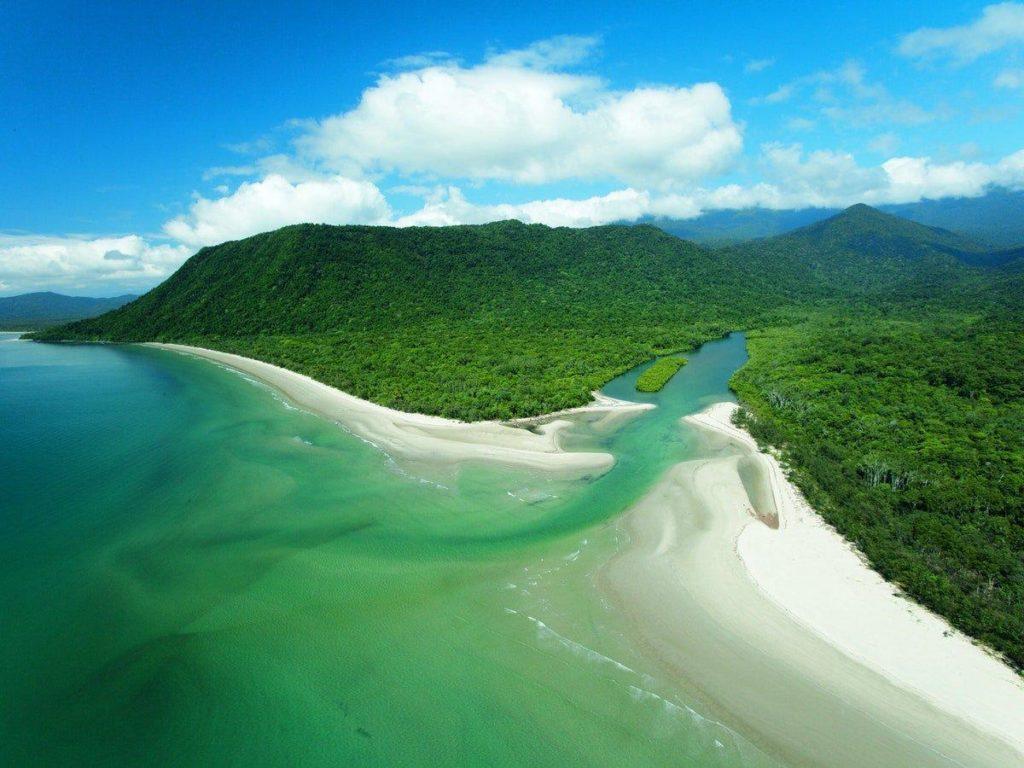
Explore the beaches at Cape Tribulation
Cape Tribulation is the only place in the world where two UNESCO World Heritage-listed sites sit side-by-side. Where the rainforest meets the Coral Sea, take a horseback adventure through Cape Tribulation and Myall Beach or explore the many sites by foot.
Jungle Surfing
The perfect experience for travellers of all ages who are looking to add a bit of adventure to their Daintree experience. Jungle Surfing is the closest experience to flying through the Daintree Rainforest. Enjoy uninterrupted views of the rainforest from a completely different perspective as you zip line through the forest at varying speeds. The knowledgeable guides tell stories of the Daintree along the way, making the experience even more memorable.
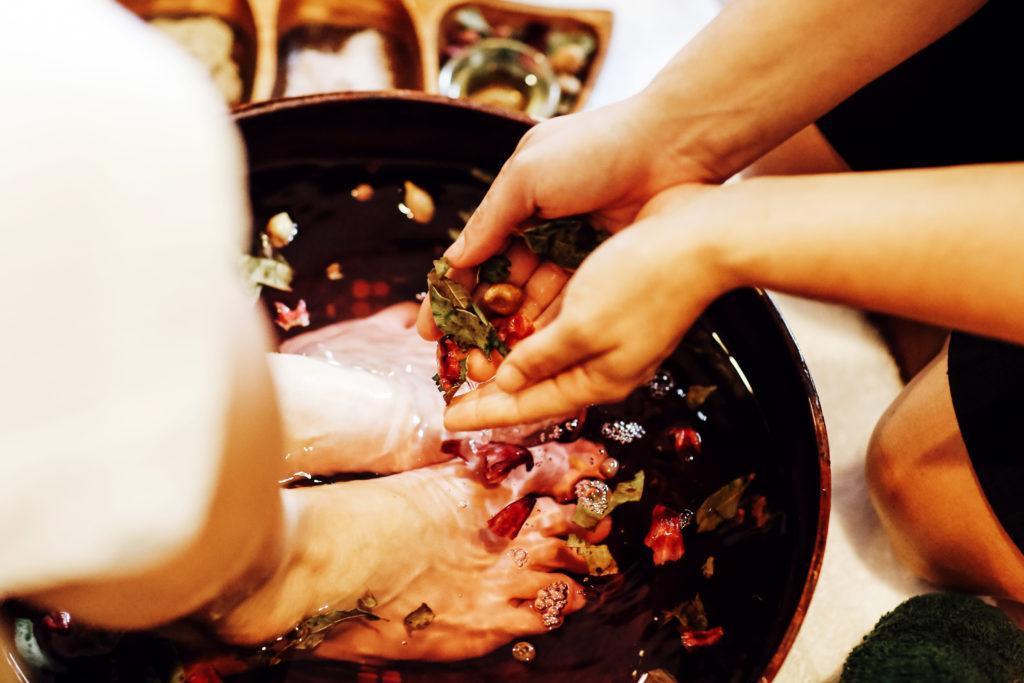
Daintree Wellness Spa
Daintree Wellness Spa
For those retreating to the Daintree Rainforest in search of rest and relaxation, look no further than the Daintree Wellness Spa. Located at the Daintree Ecolodge, the spa harnesses the pure waters of the onsite waterfall to create a healing environment. With a range of decadent spa treatments, you’ll be able to rebalance the mind, body and soul.
Daintree River Cruise
The Daintree River Cruise is the perfect way to get up close and personal with the wildlife who call the Daintree River home. Magnificent, ancient rainforests and densely populated mangroves line the waterway that boasts some of the richest wildlife habitats. The Daintree contains some of the most prolific spots for birdlife in the world and rare wildlife including estuarine crocodiles, birds, frogs, snakes, butterflies, lizards, goannas and insects. A two-hour sunrise or sunset cruise provides the perfect outing for the whole family.
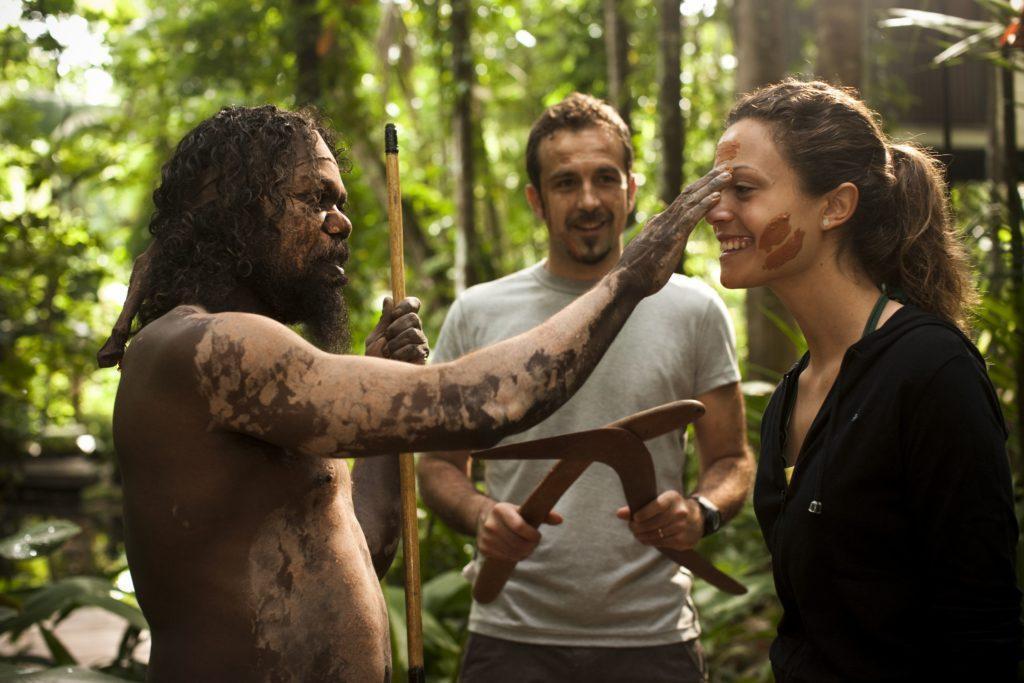
Take a guided walk through the Daintree
Guided Rainforest Walk
Explore the roots of the Daintree region with guided tours by the local Indigenous people of the Kuku Yalanji tribe. Your guide will lead you to culturally significant sites and assist you in discovering the health value of local trees and plants species, and the natural medicines they offer. This experience is a truly eye-opening and informative tour – and not to be missed!
Picnic in the Heart of the Daintree
The Daintree Rainforest is the ultimate picnic location. Indulge in the Daintree’s local produce whilst listening to the birds of the Daintree sing. A peaceful location to enjoy lunch with someone special. The Daintree Ecolodge provides gourmet picnic hampers, prepared by the chef, allowing you to venture to your own private spot to enjoy nature at its best.
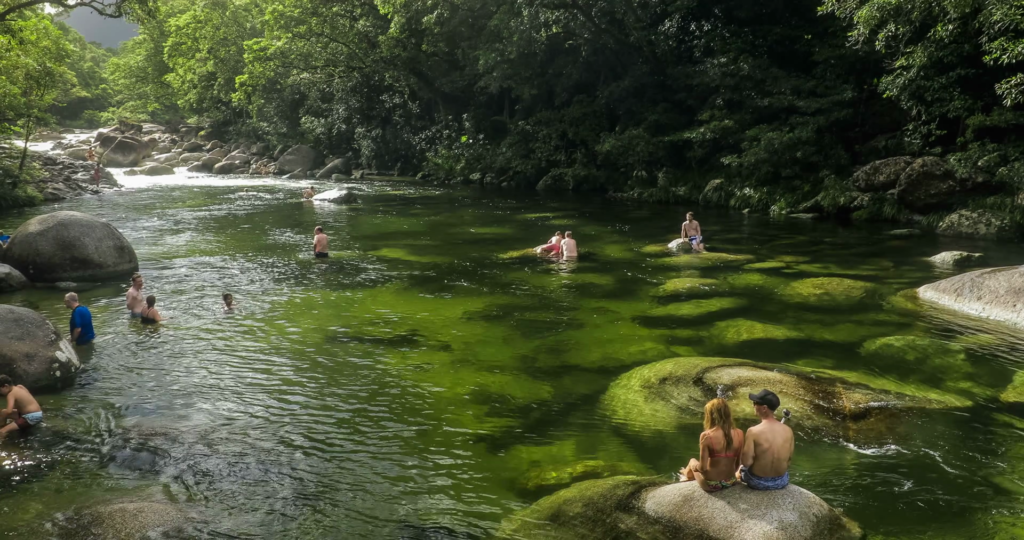
Mossman Gorge in Daintree National Park
Mossman Gorge
Journey into the lush rainforest of Mossman Gorge and experience the wonders of the Daintree Rainforest while getting lost in the enchanting stories from the Kuku Yalanji people. Just 5km West of Mossman town, Mossman Gorge is a boulder-strewn valley where crystal clear water bubbles over ancient rocks, and is a must-see for any visitors to the Daintree.
Fly over the Daintree
The Daintree Rainforest is one of the oldest living rainforests in the world, and what better way to take in the beauty and history of the Daintree than by scenic flight. Helicopters allow visitors to get as close to the rainforest canopy as possible and most tours fly over the breathtaking icons of Mossman Gorge, Cow Bay, Cooper Creek and the Alexander Range.
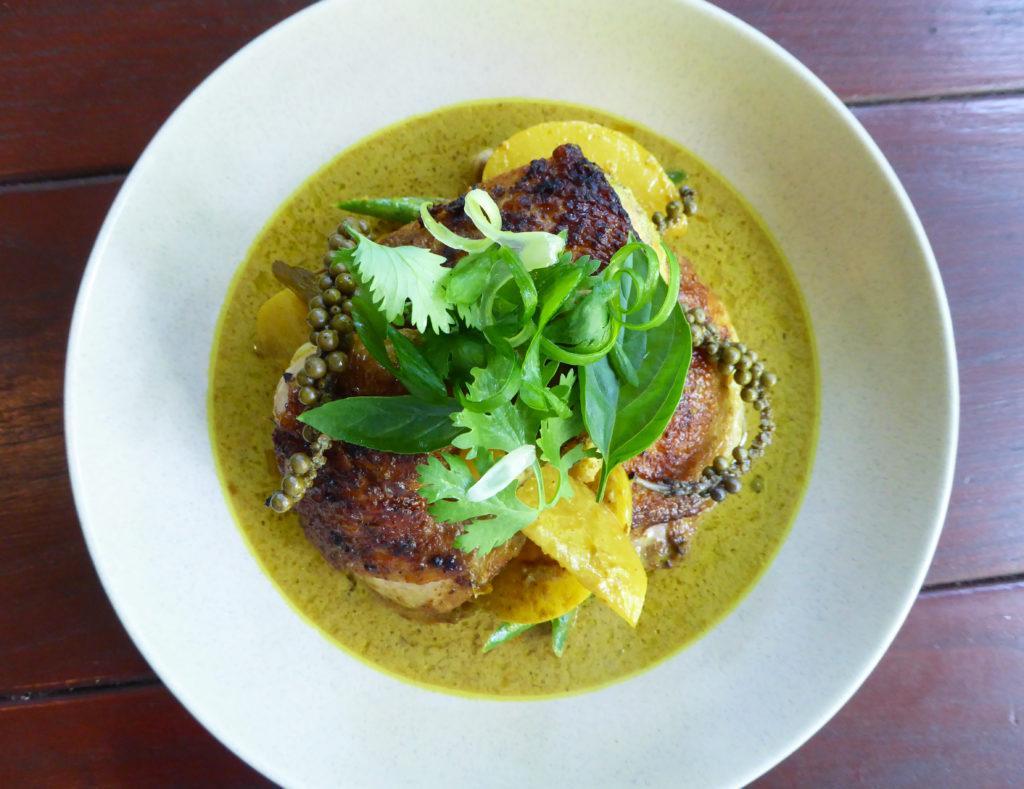
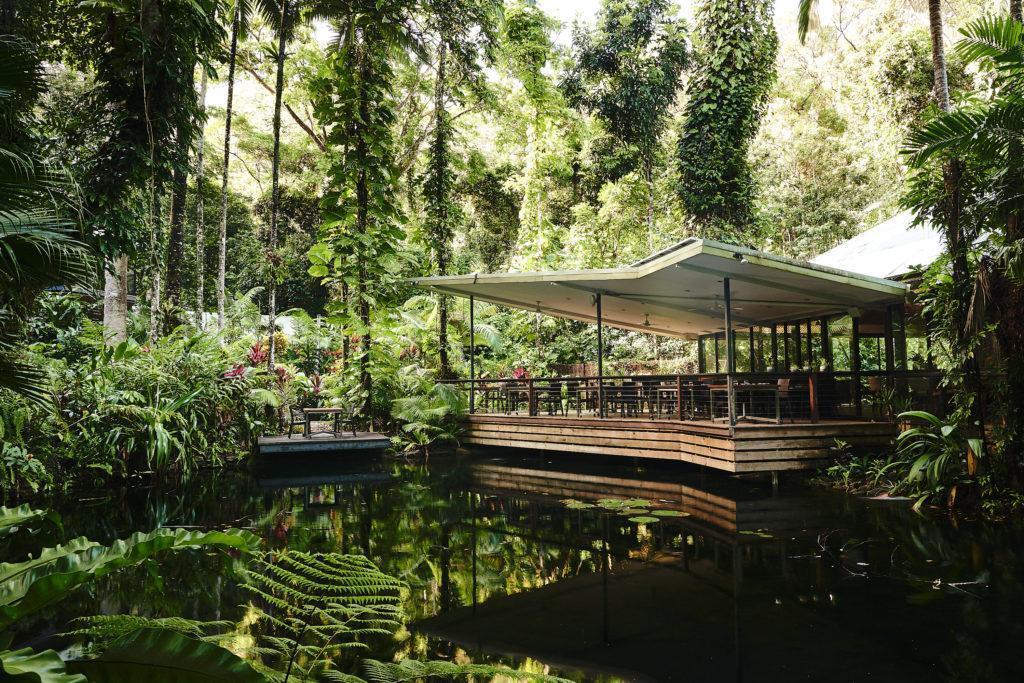
Julayma Restaurant & Bar
Dine at the Daintree Ecolodge
Enjoy some of the finest cuisines the Daintree has to offer at Julaymba Restaurant & Bar. Taste the freshest homegrown and locally sourced, seasonal and sustainable produce nature has to offer, served in a breathtaking location. Alternatively, you can enhance your cooking skills in a cooking demonstration held by Julaymba’s Executive Chef. The two-hour demonstration showcases native Australian ingredients and locally grown produce, it’s a must for those foodies out there!
Daintree Discovery Centre
The Daintree Discovery Centre is a must-do for the eco-conscious and those interested in the conservation of the Daintree Rainforest. The award-winning Discovery Centre features an aerial walkway which includes a 23m tower used to study carbon levels. An on-site theatre screens films about cassowary birds, conservation, crocodiles and climate change, so head into the centre to learn the latest about the unique flora and fauna of the Daintree.
Discover more activities on offer in the Daintree region. Our staff will assist you in tailoring your activities to make the most of your Daintree experience.
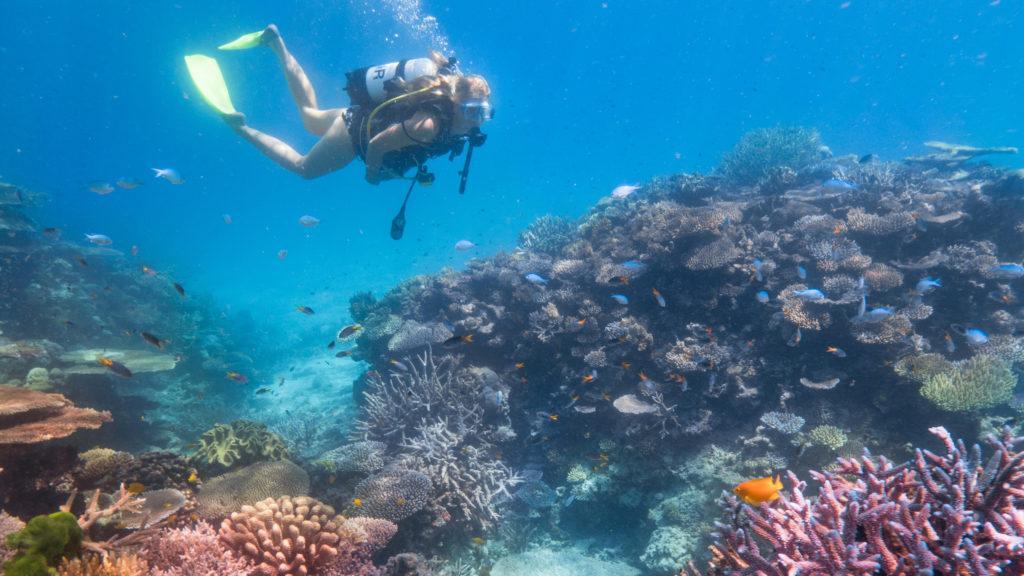
Snorkelling & Scuba Diving the Great Barrier Reef
The part of the Great Barrier Reef just off the Daintree Rainforest is practically untouched compared to the sections further south. Fewer tour groups explore this part of Australia, so the coral is more vibrant and the marine life more abundant.
On any given day you can see white-tip reef sharks, squid, parrot fish, stingrays and octopus. Full-day and half-day excursions from Daintree Ecolodge visit the Low Isles, where you can see more than 150 species of coral and get up close to the majestic green sea turtles.
As you head back towards land, you’ll be able to truly appreciate the majesty of the Heritage-listed rainforest meeting the golden shoreline.
Get Fruity at Cape Trib Farm
When it comes to things to do in the Daintree, Cape Trib Farm is definitely one for fruit lovers. The sustainable farm has more than 70 varieties of tropical fruit across 12 hectares, including lychee, mango, rambutan, papaya and guava.
The best way to experience Cape Trib Farm is on a 90-minute Fruit Tasting Tour, during which you can learn about different types of fruit on an orchard walk, discover the unique uses of exotic fruit and devour a platter of tropical fruit.
Depending on the season, you might be able to try breadfruit chips and chocolate pudding fruit.
Visit Daintree Village
Settled in the 1870s, Daintree Village combines its rich history with memorable wildlife watching on the Daintree River. Daintree holidays aren’t complete without sampling fresh scones and tropical fruit jams at one of the charming cafes.
Afterwards, browse the local artwork then embark on a river cruise to spot intimidating salt-water crocodiles and various bird species.
Chef-Guided Food & Farm Tour in Port Douglas
Discover the foodie spoils of Port Douglas on a chef-guided food and wine tour through local farms and wineries. Overindulgence is on the menu as you try local chocolate, fruit wines and barbecued barramundi.
You’ll also get to meet passionate local farmers and learn about their techniques.
Join an Indigenous Art Workshop
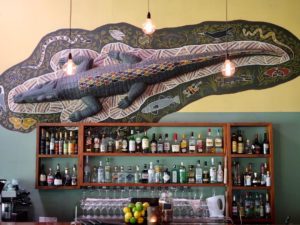
Are you interested in Australia’s oldest culture? Our Indigenous Australians are a wealth of local history and fascinating stories. One of the best ways to immerse yourself in their lives and culture is by taking one of our Indigenous art workshops, where you’ll hear stories told through the centuries-old practice of painting.
You can learn about the traditional ochre paints used by the Indigenous Australians and discover their precise painting techniques where every shape and symbol has a specific meaning. Typically, the dot paintings represent a story about shelter or gathering food and water, but you can create your own messages and meanings as you paint.
Our knowledgeable Aboriginal artists will also share their histories and teach you about their traditional bush tucker, including native fruits, spices and seeds. Listen closely as they talk about natural remedies found within the Daintree Rainforest, and which plants you should definitely not eat.
Embark on a Cultural Sightseeing 4WD Tour
With an emphasis on teaching about sustainable tourism, our 4WD tours range from half-day adventures through the Daintree Rainforest, to entire days spent exploring Cape Tribulation. One of our favourite Daintree Rainforest tours, these 4WD adventures showcase the beauty of this ancient rainforest and the varied wildlife that lives within it.
As you traverse the forest and the coastal landscapes, keep your eyes peeled for musky-rat kangaroos, spotted-tail quolls and southern cassowaries. Our knowledgeable guides will also teach you about the Indigenous people who have called this part of Australia home for centuries, and their deep-rooted connection with the land.
Make the most of your personal tour guide while discovering hidden gems around the Daintree Rainforest, where the next memorable vista is just around the bend. After your tour, why not reflect on the experience over a cocktail or beer at our laidback bar.
Try River Drift Snorkelling
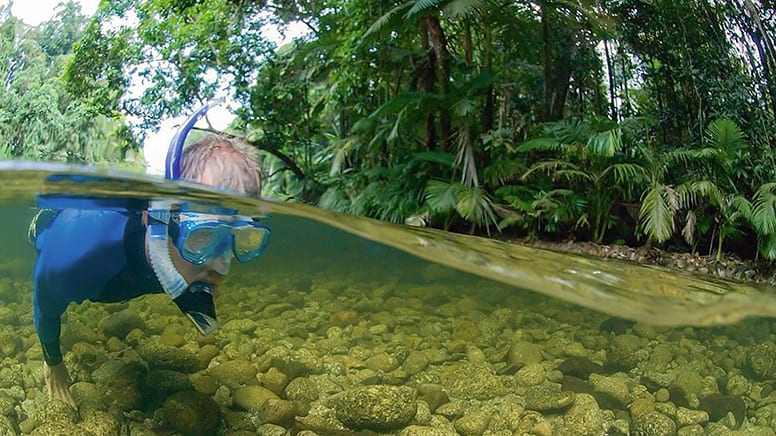
If you’re looking for things to do, the Daintree Rainforest offers up some very unique and interesting opportunities. While it’s common to go snorkelling in places like the dazzling Great Barrier Reef or anywhere along Australia’s vast shoreline, there are lesser known snorkelling activities, such as river drift snorkelling in the stunning and tranquil Daintree Rainforest.
The Mossman River provides water that is crystal clear and perfect for rainforest snorkelling adventures. On this tour, you will drift downstream on a flotation device while marvelling at the unique underwater life of the river. Check out the river stones, local fish and if you’re lucky, you may even spot a turtle or two.
There’s no better way to cool off in the tropics than river drift snorkelling and it’s a rainforest adventure you will always remember. Even the little ones can have a go. Your tour starts off in Port Douglas and is operated by Back Country Bliss, about a 45 minute drive from Daintree Ecolodge.
Take a Sunset Sail
With the Daintree Rainforest situated right on the coastline, there are also opportunities to get out on the water for some fun and adventure. One such activity you and your family or friends can take advantage of is a relaxing and picturesque sunset sail. The experience is peaceful, tranquil and the backdrop simply stunning.
On board a first class sailing catamaran, you will sail along the Port Douglas coast as the sun sets in the west. All the while, you’ll be treated to mountain views while listening to chill out music. The cruise also includes a welcome drink and snacks in the form of canapés. Note that the sunset sail experience is only for adults. Your journey departs from Port Douglas, situated 45 minutes away from the Daintree Ecolodge.
Wander Through the Daintree Wild Zoo
When it comes to Daintree Rainforest activities, another one you’ll want to keep in mind is the Daintree Wild Zoo. To enjoy this experience, visitors can book into the Daintree Wild B&B Lodge or simply visit the wildlife sanctuary.
Located in Wonga Park, you’ll be able to get up close and personal with Australia’s native wildlife. Many people visit the zoo to see the birds, such as the Kookaburra, the Blue Winged Parrot, the Barking Owl and Australia’s King Parrot.
Aside from birds, you can feast your eyes upon pythons, the Brown Tree Snake, the famous Blue Ulysses Butterfly renowned for the area and more. There is wildlife galore in this region and all are hosted in a natural habitat. It’s a relaxing way to spend a few hours and also learn more about the wildlife of the local area.
Visit a Local Art Gallery
The Daintree Rainforest region is home to some fantastic art galleries, so if you want to indulge in a little bit of culture and take a break from your outdoor adventures for a while, then visit one of these art galleries while you’re there.
The galleries feature the iconic works of local artists and indigenous artists, so it really is an incredible cultural experience that will give visitors an even greater appreciation for the region. There are a number of local art galleries scattered throughout the Daintree Rainforest region and you can pinpoint their locations with an online search. Some galleries of note include Eliza’s Gallery and Janbal Gallery.
Many of the artworks are for sale, so if you want to take home a slice of Far North Queensland culture, then purchase a piece to hang proudly on your wall at home.
Related: Day Trips From The Daintree
Related: Dining In The Daintree